Homeowner’s Guide to Preventing Burst Pipes in Winter
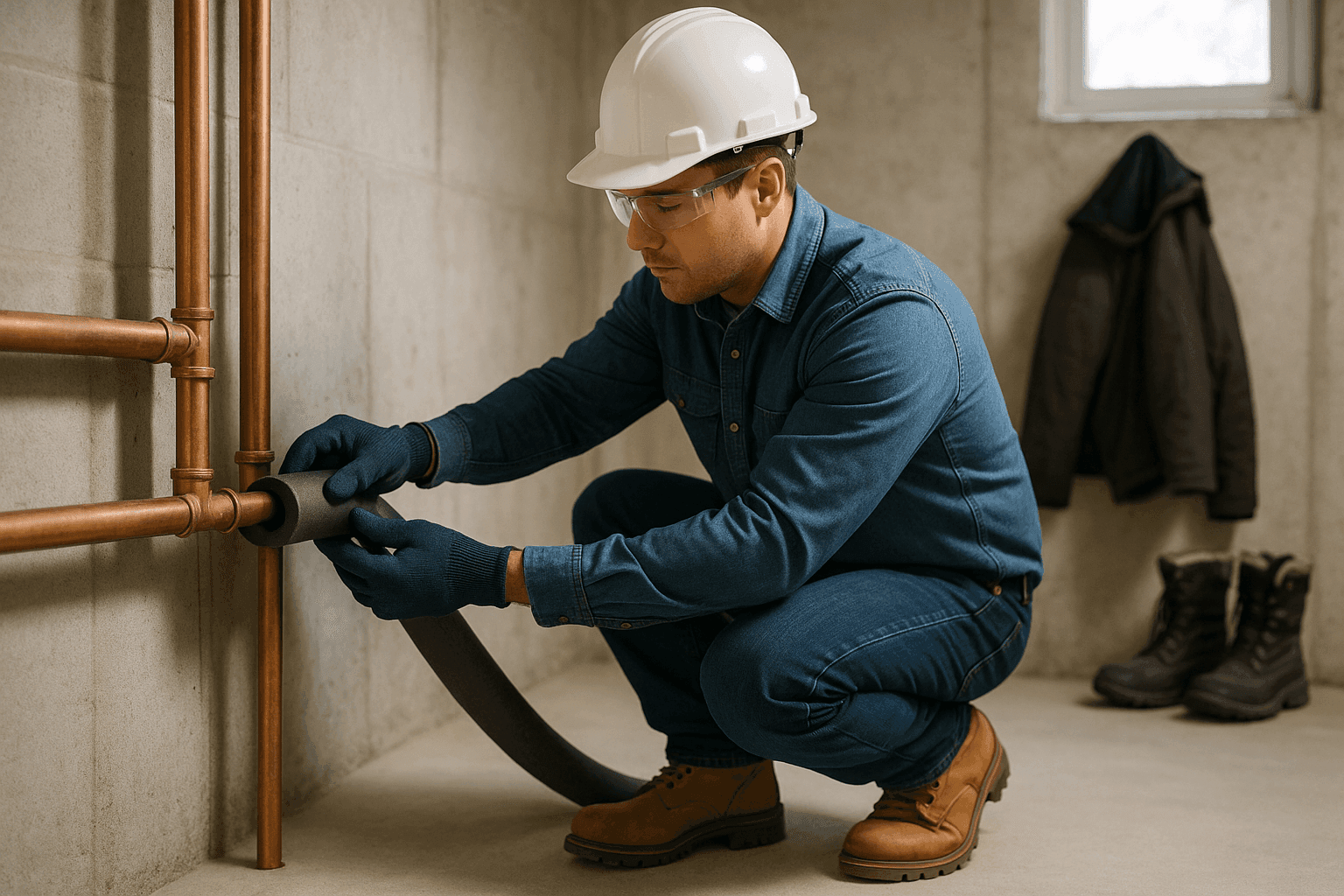
Winter. It brings cozy nights and hot chocolate—but also a cold, creeping risk most homeowners dread: burst pipes. One split pipe can send gallons of water rushing into your walls or basement, turning winter wonderland into a costly mess.
At New Age Plumbing, we’ve seen the damage firsthand. Our emergency plumbing team has tackled everything from frozen kitchen lines to flooded basements. The good news? Most pipe bursts are preventable with the right knowledge and a few practical steps.
Why Pipes Burst in Winter
Picture a soda can in the freezer. The liquid inside expands as it turns to ice—and eventually, the can pops. Pipes behave the same way. When water trapped inside freezes, it expands with enough force to crack even sturdy metal or plastic pipes.
According to the Insurance Institute for Business & Home Safety, a burst pipe can dump hundreds of gallons of water in a single day. The most vulnerable spots? Pipes running through unheated crawlspaces, basements, garages, and exterior walls.
Key factors that raise your risk:
- Poor insulation or exposed pipes
- Sudden temperature drops (under 20°F/-7°C)
- Drafty windows or foundation cracks
- Pipes that run along outside walls or in unheated rooms
- Homes left unoccupied without heat
Even a small split can unleash enough water to damage floors, walls, and prized keepsakes. That’s why a burst isn’t just a plumbing issue—it’s a home emergency.
Insulation and Winterizing Steps 🧤
Just like wrapping up in a thick coat, your pipes need protection from the cold. Here’s how to winterize your plumbing and keep water flowing.
1. Insulate Vulnerable Pipes
- Use foam pipe insulation sleeves around pipes in crawl spaces, attics, and basements.
- For extra-chilly areas, consider UL-listed heat tape (follow the package instructions carefully).
2. Seal Drafts
- Check for cold air leaks near where pipes enter your home. Caulk or weather-strip these gaps.
3. Drain and Shut Off Outdoor Lines
- Disconnect garden hoses; drain and shut off outdoor spigots.
- If you have a sprinkler system, blow out the pipes before freezing weather hits.
4. Keep Heat Circulating
- Open cabinet doors under sinks—especially in kitchens and bathrooms—so warm air can reach the pipes.
- Set the thermostat no lower than 55°F (13°C), even if you’re leaving town.
5. Know Your Main Water Shutoff
- Every minute counts during a burst. Know where your main shutoff valve is so you can act fast.
Pro tip: The International Plumbing Code and local building codes offer detailed guidance on pipe insulation. For most U.S. homes, at least R-3 insulation is recommended on exposed pipes.
How to Spot Pipe Freeze Risk
Frozen pipes aren’t always obvious—until it’s too late. Catching trouble early can save you thousands.
Warning signs:
- Water trickles or stops from faucets
- Frost on exposed pipes
- Unusual smells from drains (a sign of a blocked or burst pipe)
- Bubbling or banging noises in the walls
If you spot any of these, it’s time to act fast.
Emergency Action Plan 🚨
If a deep freeze is on the horizon, don’t panic—but do get prepared. Here’s your step-by-step guide for those “polar vortex” days.
If a freeze is forecast:
- Let faucets drip (just a trickle) to keep water moving.
- Open cabinets under sinks.
- If safe, use a portable heater in cold-prone rooms.
- Double-check outdoor lines are drained.
If you suspect a pipe has frozen:
- Turn off the main water supply.
- Gently warm the suspected pipe with a hair dryer or towels soaked in hot water (never use an open flame).
- Call emergency plumbing help if you can’t access the pipe or if you notice a split.
If a pipe bursts:
- Shut off your main water valve immediately.
- Turn off electricity to affected areas.
- Call New Age Plumbing for 24/7 emergency plumbing.
- Move valuables and soak up standing water if possible.
Regional Weather Tips: North, Midwest, Mountain
Not all winters are created equal. Here’s how to tailor your approach:
Northern States (New England, Upper Midwest)
- Sub-zero stretches are common. Insulate every exposed pipe, even in garages and attics.
- Consider smart thermostats to avoid dips in temperature if you’re away.
Midwest (Illinois, Ohio, Minnesota, etc.)
- Wind chills can be brutal. Double up insulation near outside walls and in basements.
- Frost lines run deep—protect pipes in crawlspaces.
Mountain West (Colorado, Utah, Idaho)
- Rapid temperature swings are frequent. Install shutoff valves for outdoor lines and insulate pipes that run near foundation vents.
No matter where you live: Stay tuned to local weather alerts. The National Weather Service is a reliable source for real-time freeze warnings.
Printable Winter Plumbing Checklist 📝
- [ ] Insulate pipes in cold areas (basement, attic, crawlspace)
- [ ] Drain and shut off outdoor water lines
- [ ] Weather-strip and caulk gaps near pipes
- [ ] Open cabinets under sinks during cold snaps
- [ ] Set thermostat to at least 55°F (13°C)
- [ ] Know your main water shutoff location
- [ ] Let faucets drip during extreme cold
- [ ] Schedule a preventative inspection with New Age Plumbing
Tip: Print this checklist and keep it on your fridge!
Frequently Asked Questions
How cold does it have to be for pipes to freeze? Usually, prolonged temperatures below 20°F (-7°C) can freeze pipes, but wind and exposure matter too.
What if I’m going on vacation this winter? Keep your heat on, open cabinet doors, and consider shutting off and draining the main water line.
Can I use a space heater to thaw frozen pipes? Yes, but only under supervision and never leave it unattended. Avoid open flames or torches.
How often should I check my pipes? At least once before winter and after any major cold snap.
When to Call for Emergency Plumbing Help
Some jobs are DIY-friendly, like wrapping pipes. But if you spot a leak, lose water pressure, or see flooding, it’s time to call for emergency plumbing. Delays can turn a small fix into a major repair.
Our team at New Age Plumbing responds fast, day or night. We have the right tools for safe thawing, pipe repair, and water cleanup. If you need drain cleaning near you or full pipe replacement, just let us know.
Final Word: Stay Ahead of Winter Surprises
Winter’s chill doesn’t have to mean plumbing disasters. With a little prep—and a solid emergency plan—you can keep your home safe, dry, and comfortable all season long.
Call New Age Plumbing now — or reach us anytime at 888-541-2947 .