Emergency Plumbing Guide: What to Do Before Help Arrives
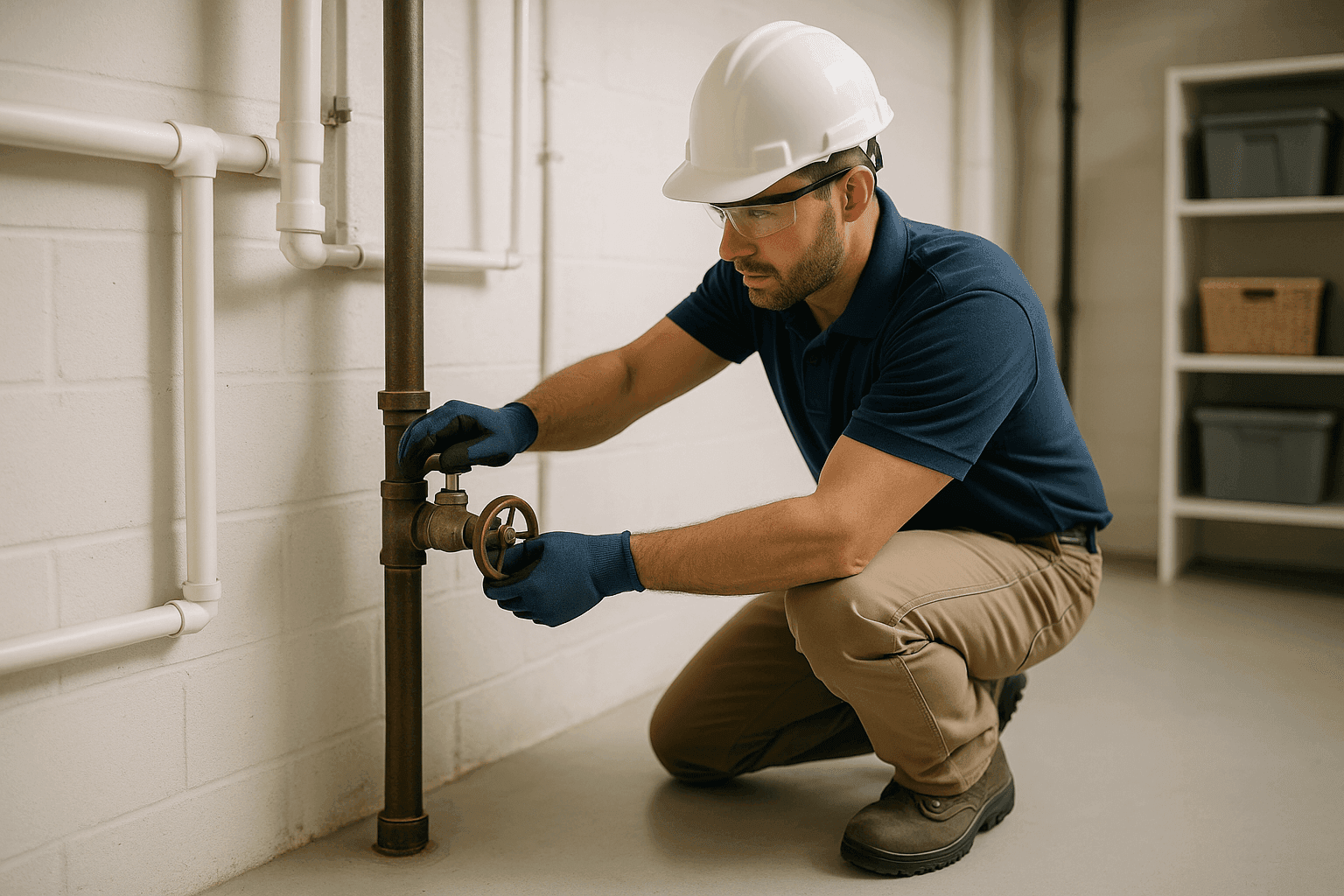
When water starts pouring where it shouldn’t, seconds matter. Burst pipes, overflowing toilets, and mysterious leaks can turn calm homes into chaos in a flash. If you’re reading this with wet socks or a pounding heart, you’re not alone. Every homeowner faces plumbing emergencies at some point—and what you do in the first few minutes makes all the difference.
At New Age Plumbing, we know how scary these moments can feel. Our licensed team responds around the clock, bringing decades of experience and real peace of mind. But before help arrives, a few quick actions can minimize damage and keep your family safe.
Recognizing a Plumbing Emergency 🚨
Not every drip is an emergency—but when there’s water where it doesn’t belong, it’s time to act fast. Look out for these red flags:
- Sudden, heavy leaks: Water gushing from pipes, ceilings, or under sinks.
- Sewage backflow: Bad smells, bubbling toilets, or sewage in tubs mean immediate action.
- No water at all: If all your taps stop working, something major may be wrong.
- Gas smells: Rotten egg odor near gas appliances or lines—leave immediately and call for help.
- Flooded basement or crawlspace: Fast-rising water can damage foundations and electrical systems.
Think of plumbing like the veins of your home. If something bursts, the whole system can suffer. Fast response can be the difference between a soggy inconvenience and a major repair bill.
Step-by-Step: What to Do First
When panic strikes, follow these steps to stay safe and limit trouble:
1. Shut Off the Main Water Valve
Find your main water shut-off—usually in the basement, garage, or outside near the foundation. Turn it clockwise (righty-tighty) to stop water flow. If you live in an apartment, ask building management.
Tip: Everyone in the house should know where this valve is. If you don’t, now’s the time to find it.
2. Cut Off Electricity in Affected Areas
Water and electricity are a dangerous mix. If water is near outlets or appliances, turn off power at the breaker—never touch wet electrical panels. If it feels unsafe, wait for emergency services.
3. Contain the Leak
Use towels, buckets, or even big cooking pots to catch dripping water. Place them under leaks and mop up standing water with old towels. For smaller leaks, plumber’s tape or a thick rag tied around the pipe can help.
4. Protect Belongings
Move furniture, electronics, and valuables away from flooded areas. Roll up rugs and clear the floor to limit damage.
5. Ventilate
Open windows and doors. Fresh air helps dry things out and prevents musty odors or mold.
Temporary Fixes for Common Issues
While you wait for a professional, some quick fixes can hold things together—just don’t expect miracles:
- Burst Pipe: Wrap it tightly with plumber’s tape or duct tape. Place a bucket below.
- Overflowing Toilet: Remove the tank lid, lift the float lever to stop water, and turn off the toilet valve at the base.
- Leaky Fixture: Turn off the nearest water shut-off (often under the sink or fixture).
- Clogged Drain: Avoid chemical drain cleaners—try a plunger or remove debris with a gloved hand. For slow drains, hot (not boiling) water can sometimes clear minor blockages.
These are like using a bandage for a deep cut: they buy you time, but don’t solve the underlying issue.
When to Call an Emergency Plumber
Some issues can’t wait. Call New Age Plumbing immediately if you experience:
- Water that won’t stop flowing after you’ve turned off fixtures.
- Sewage smells or visible wastewater—this can be a health risk.
- Gas odor, hissing sounds near gas lines, or pilot lights that won’t stay lit.
- Frozen pipes (especially during winter freezes) that crack or burst.
Even if the problem seems small, trust your instincts. A slow drip can become a torrent with no warning.
Safety Checklist: Protect Your Home and Family
Stay calm and follow this quick safety list:
- Know your main water shut-off location.
- Keep a flashlight handy for power outages.
- Store plumber’s tape, towels, and buckets in an accessible spot.
- Learn how to safely turn off circuit breakers.
- Keep emergency contacts (like New Age Plumbing) saved in your phone.
For more on home water safety, check guidance from the American Red Cross and National Fire Protection Association.
FAQs: Storms, Holidays, and Nighttime Issues
What should I do if a storm floods my basement at night?
Shut off the main water and power if safe. Don’t enter standing water if outlets or wires are submerged. Call for emergency plumbing help.
Can I wait until morning if my toilet overflows during a holiday?
If water is leaking into floors, walls, or ceilings, act immediately. Major leaks don’t take holidays off.
How do I prepare for plumbing emergencies during winter freezes?
Insulate pipes, keep a slow drip on faucets in freezing weather, and know where to shut off water. Call for help if you suspect frozen pipes.
Does insurance cover sudden leaks or burst pipes?
Homeowners insurance often covers sudden water damage, but not gradual leaks. Check your policy or contact your provider for details.
Local and Seasonal Considerations
Weather and local building codes can change your response. In regions with harsh winters, frozen pipes are a leading cause of midnight calls. In flood-prone areas, a sump pump malfunction can escalate quickly. During holidays, plumbing systems see heavier use—clogs and overflows spike.
For major plumbing emergencies, national codes like the International Residential Code (IRC) and guidelines from the Environmental Protection Agency (EPA) offer valuable tips for safe water use and leak prevention.
When You Need a Pro—And What Happens Next
When you call New Age Plumbing for emergency plumbing, our team:
- Arrives with powerful water extraction tools and specialized leak detection equipment.
- Locates and repairs the source of trouble, whether it’s a burst pipe, clogged drain, or malfunctioning water heater.
- Tests for water contamination, gas leaks, and backflow issues.
- Provides clear options for repair, cleanup, and future prevention.
Our phones are always answered by real people—never robots. We serve homes nationwide, day or night, rain or shine.
Prevention & Maintenance: Guard Against Future Emergencies
Most plumbing disasters can be prevented with a little care. Here’s what you can do:
- Schedule regular inspections—especially for aging pipes, water heaters, and sump pumps.
- Don’t flush wipes, grease, or foreign objects. Even “flushable” wipes can clog pipes.
- Install water leak detectors in basements, laundry rooms, and near water heaters.
- Have your backflow system tested annually.
- Consider a water filtration system to reduce scale and corrosion.
Costs & Time Factors
It’s natural to worry about costs and timelines during a crisis. Emergency plumbing responses are often billed by time, severity, and materials. Minor clogs or leaks may take under an hour to fix, while burst pipes or sewer backups could require several hours or more.
Costs vary by region, time of day, and complexity. The best way to avoid big bills? Address leaks early and schedule preventative maintenance.
Emergencies don’t wait—and neither do we. Fast action keeps your family safe and your home protected. For 24/7 emergency plumbing—from drain cleaning near you to major leak repair—help is just a call away.
Call New Age Plumbing now — or reach us anytime at 888-541-2947 .