Drain Cleaning 101: Prevent Clogs & Keep Pipes Flowing
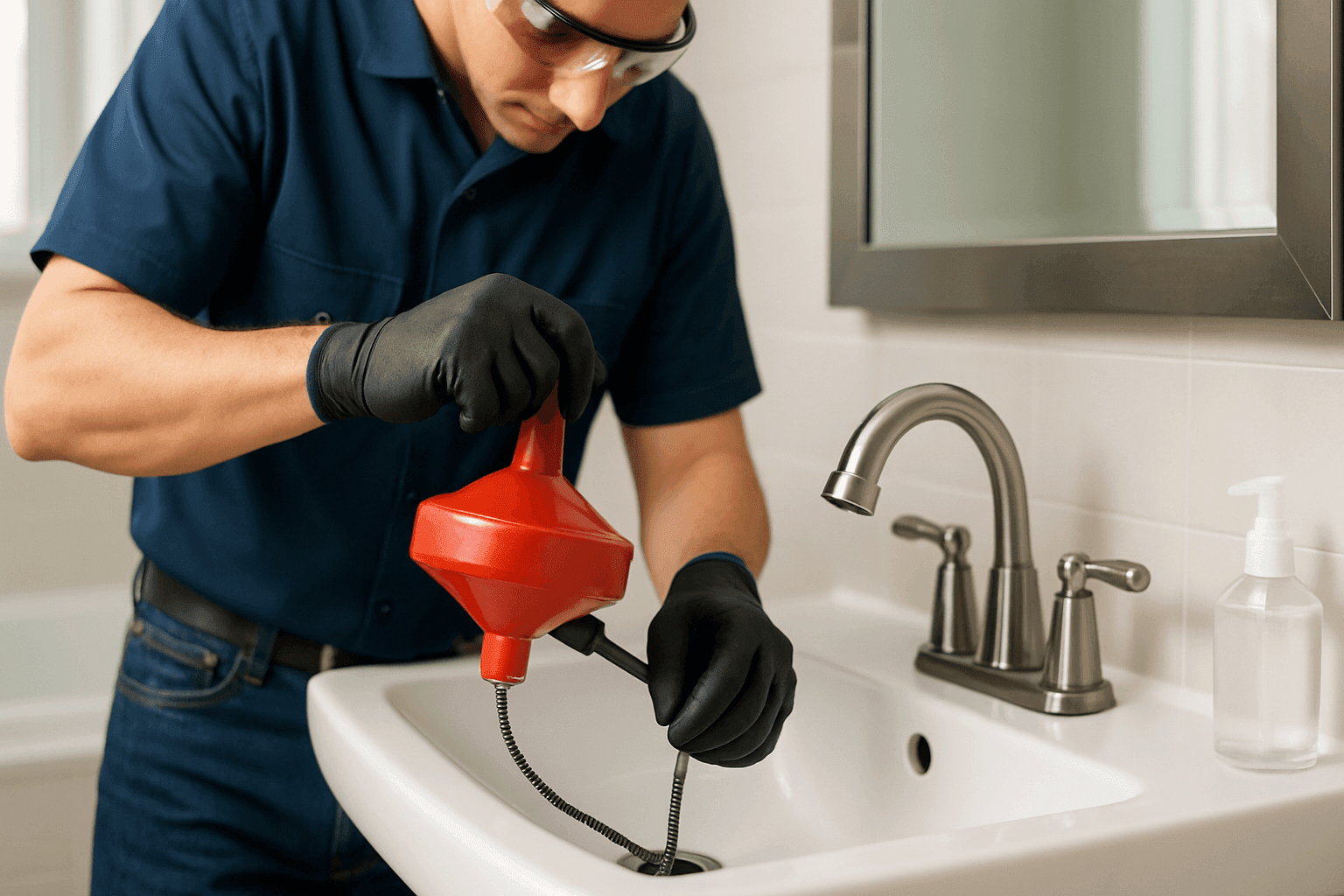
Are your drains slow, smelly, or making strange gurgling noises? Most homeowners know the dread of a stubborn sink or a toilet that threatens to overflow at the worst possible moment. At New Age Plumbing, we get it—clogged drains never happen at a good time. Whether it’s late at night or right before a big gathering, fast action matters.
You don’t have to be a plumbing whiz to keep your pipes clear. But you do need to know what causes clogs, what works (and what doesn’t), and when it’s time to call for emergency plumbing. Here’s everything you need to know, straight from the field.
Understanding Drain Clogs: What’s Really Going On? 🌀
Clogs don’t happen overnight. Think of your drains like arteries. Over time, gunk builds up—until one day, everything stops. Here are the main troublemakers:
- Grease and food scraps: Especially in kitchen sinks. Grease hardens as it cools, sticking to pipe walls like glue.
- Hair and soap scum: The classic bathroom combo. Hair tangles with soap, forming a net that catches everything else.
- Foreign objects: Kid’s toys, dental floss, wipes, and cotton swabs don’t break down and can wedge tight.
- Mineral buildup: Hard water leaves behind scale, shrinking pipe diameter.
- Tree roots: In the South and older neighborhoods, roots sniff out moisture and sneak into tiny pipe cracks.
- Frozen pipes: In the North, water expands as it freezes, blocking or even bursting pipes.
Ignoring a slow drain is like ignoring a slow leak in a tire. It might hold for a while, but sooner or later, you’re stranded.
DIY Drain Maintenance Tips: Small Habits, Big Impact
A little prevention goes a long way. Here’s how to keep your drains moving without fancy gadgets:
- Kitchen sinks: Wipe out greasy pans with a paper towel before washing. Use a mesh strainer to catch scraps.
- Bathrooms: Brush hair before showering. Empty drain stoppers weekly.
- Toilets: Only flush toilet paper—nothing else. Keep a small bin nearby for wipes, hygiene products, and floss.
- Monthly flush: Pour a kettle of boiling water slowly down each drain. It melts some buildup and helps push debris.
- Avoid chemical cleaners: They promise miracles but often corrode pipes and harm the environment.
Technician Tip
“If you hear a gurgle after flushing or notice water rising in other fixtures, that’s your plumbing system calling for help,” says one of our seasoned techs. Don’t ignore the warning signs.
Safe Unclogging Methods: Skip the Chemicals
Store-bought chemical drain cleaners might look like a quick fix, but they can eat away at pipes—especially older ones—and pollute water supplies. Here’s what you can do instead:
Kitchen Drains
- Plunge: Fill the sink partway with water. Place a cup plunger over the drain and pump up and down.
- Baking soda & vinegar: Pour 1/2 cup baking soda, then 1/2 cup vinegar. Wait 10 minutes, then flush with hot water.
- Snake: Use a handheld drain auger to break up stubborn clogs. Feed it gently—don’t force it.
Bathroom Drains
- Remove and clean stopper: Hair collects just under the stopper. Use needle-nose pliers or a hair removal tool.
- Plunge showers/tubs: Block the overflow with a wet rag; plunge as you would a sink.
Floor Drains
- Check for debris: Use gloves. Remove any visible gunk or standing water.
- Flush with water: If water drains slowly, try plunging.
Environmental Caution
Never pour paint, harsh chemicals, or oils down any drain. The EPA warns these can contaminate local water and are illegal in some areas.
When to Use a Pro: Know Your Limits
You’ve tried the basics. The clog won’t budge—or it keeps coming back. Here’s when to look up “Drain Cleaning near you” and call for emergency plumbing:
- Water backs up into sinks, tubs, or toilets from multiple fixtures.
- You suspect tree roots (especially in older homes or after heavy rain).
- Strong sewage odor or bubbling water.
- Water won’t drain at all, and you can’t locate the blockage.
- DIY tools aren’t reaching the problem.
Technician Tip
“Persistent clogs may signal a bigger issue—like a broken pipe or sewer line collapse. Don’t keep pouring chemicals in. It’s time for professional tools and a trained eye.”
What Pros Do On Arrival: The Professional Touch
When New Age Plumbing arrives, here’s what you can expect:
- Assessment: Visual inspection, listening for telltale noises, and asking you about the problem history.
- Camera inspection: For tough or recurring clogs, a tiny camera checks deep inside pipes for roots, breaks, or buildup.
- Professional snaking: Heavy-duty augers can clear tough blockages that store-bought snakes can’t reach.
- Hydro-jetting: A high-pressure water blast scours pipe walls clean—no chemicals needed.
- Repair recommendations: If pipes are cracked, collapsed, or infested with roots, a repair or replacement plan is offered (always with your input).
Prevention & Maintenance: Keep Pipes Flowing All Year
Regular TLC avoids emergency calls and costly repairs. Here’s how:
- Install hair catchers in all showers and tubs.
- Never pour grease down the sink. Collect in a can and toss in the trash.
- Schedule annual drain cleaning—especially in homes with trees nearby or older plumbing systems.
- Flush only toilet paper—no wipes, feminine products, or paper towels.
- Check for slow drains monthly. Address early signs before they become emergencies.
- Sewer line inspection: Every few years, especially before buying or selling a home.
Technician Tip
“If you have a big family or host gatherings often, drains work overtime. Do a quick check before holidays or parties.”
Costs & Time Factors: What to Expect
Every clog is different, but here’s what usually affects the price and speed of drain cleaning near you:
- Type of clog: Hair and soap are faster to fix than deep tree roots.
- Location: Kitchen and bathroom sinks are usually quicker than main sewer lines.
- Severity: Minor clogs might take 30–60 minutes. Main line blockages can take several hours.
- Tools needed: Hydro-jetting or camera inspections add time and cost, but find root causes.
Emergency plumbing calls after hours or on holidays may cost more, but fast response can save you from bigger problems.
When It’s an Emergency: Don’t Wait
Some situations can’t wait. Call for emergency plumbing if you notice:
- Overflowing toilets or sinks
- Sewage backup in tubs, showers, or floor drains
- Flooding or water damage around drains or pipes
- Gas smells near water heaters or fixtures (leave the area and call for help immediately)
Water damage spreads fast. Mold, ruined floors, and expensive repairs follow if you delay.
FAQ: Common Drain Cleaning Questions
Q: Why do my drains always clog around the holidays?
A: Extra guests mean more hair, food scraps, and grease going down the pipes. Schedule a checkup before big gatherings.
Q: Are store-bought chemical cleaners safe for my pipes?
A: Most contain harsh acids that can damage pipes and harm the environment. Stick to mechanical methods and call for help if needed.
Q: What’s the best way to prevent clogs in the kitchen?
A: Use a strainer, scrape plates, and never pour grease down the drain.
Q: Can tree roots get into my pipes?
A: Yes—especially in older homes and Southern states. Roots seek out moisture and can cause serious damage.
Local & Seasonal Considerations: What to Watch For 🌦️
Plumbing systems face different challenges depending on where you live and the time of year:
- South & Southeast: Tree roots are a leading cause of sewer line blockages. After heavy rains, roots grow quickly and pipes may shift.
- North & Midwest: Freezing weather can cause water in pipes to expand, leading to cracks, blockages, or bursts. Insulate pipes before winter hits.
- Coastal & Flood-Prone Areas: High water tables and storms can back up floor drains and sewer lines.
- Holidays: More people means more stress on every drain. Do a quick check before guests arrive—especially if you’ve had slow drains before.
Technician Tip
“Know your home’s history and the region’s risks. Preventative maintenance is cheaper than an emergency call in the middle of the night.”
Call New Age Plumbing now — or reach us anytime at 888-541-2947 .