Water Heater Problems: Troubleshooting, Costs & When to Replace
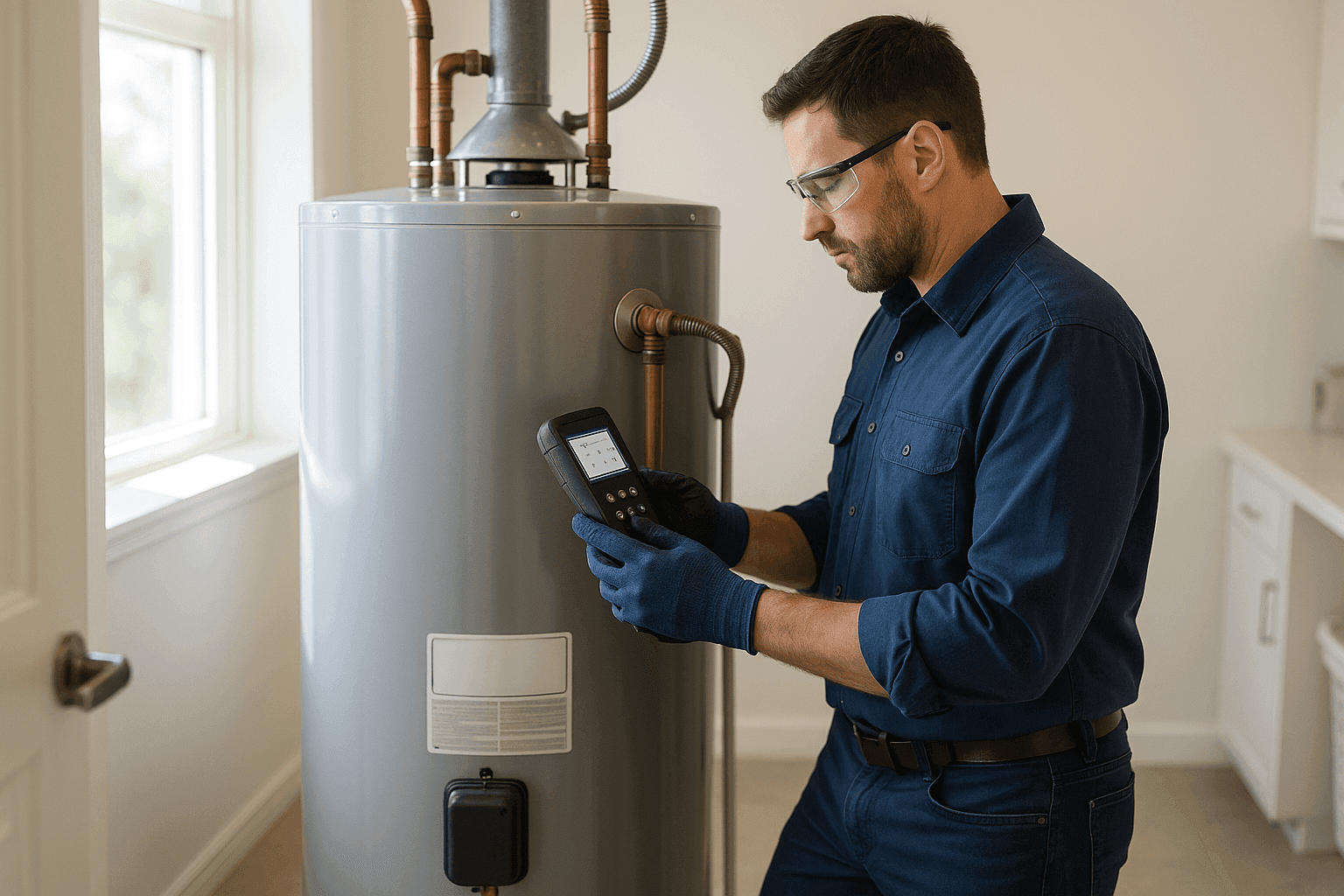
Is your shower suddenly running ice cold? Maybe you’ve found a puddle forming near the water heater, or heard that weird rumbling late at night. These are the moments that can turn a normal day upside down—and nobody wants to face a water heater crisis, especially when it’s freezing outside or guests are on the way.
At New Age Plumbing, we understand that home comfort depends on hot water. With decades handling emergency plumbing calls, we know the headaches, the mess, and the urgency. This guide will walk you through what to do next, how to spot danger, and when it’s time to bring in a pro.
Common Water Heater Problems
Water heaters work quietly in the background—until something goes wrong. Here are the most frequent issues we see in residential homes:
- No hot water: The most obvious sign. Could be a power, pilot, or heating element issue.
- Water leaks: Small puddles or drips can quickly turn into floods.
- Strange noises: Banging, popping, or rumbling often mean sediment is building up.
- Rusty or dirty water: Discolored water or metallic taste can point to corrosion inside the tank.
- Low hot water pressure: Often related to sediment, scale, or pipe issues.
- Fluctuating temperatures: Scalding one second, freezing the next.
- Odors: Rotten egg smells may indicate bacteria or, for gas units, a dangerous leak.
If you notice any of these, it’s time to act. Some fixes are simple. Others can get risky—fast.
Quick Safety Checklist ⚠️
Before you roll up your sleeves, check these essentials. Safety first:
- Electric heater? Switch off the circuit breaker before touching anything.
- Gas heater? Turn the gas control valve to the “off” position.
- Scalding risk: Wait for water to cool before inspecting or draining.
- Sniff test: Smell gas? Leave immediately and call emergency services. Don’t use any switches.
- Standing water: Avoid contact if water is near electrical outlets.
- Water shutoff: Know where your main and heater shutoff valves are.
Refer to your manufacturer’s manual, and check local regulations. The U.S. Consumer Product Safety Commission recommends water heater settings below 120°F to prevent burns—especially for kids and seniors.
DIY Troubleshooting Steps
Some water heater issues can be checked safely by homeowners. Think of it like checking your car’s oil—not rebuilding the engine.
No Hot Water
- Electric units: Check the breaker and reset button.
- Gas units: Is the pilot light out? Follow manufacturer’s instructions to relight if you’re comfortable.
- Thermostat: Confirm it’s set at 120°F–130°F.
Leaks
- Tighten connections: Gently snug any accessible fittings (don’t overtighten).
- Check the relief valve: Sometimes these drip if pressure is high.
- Inspect the tank: If water seeps from the base, the tank may be corroded—replacement is likely.
Noises
- Sediment flush: Turn off power/gas. Connect a hose to the drain valve. Drain a few gallons into a bucket or outside.
- Still noisy? Sediment may be severe; repeated flushing can help, but sometimes the tank is nearing the end.
Discolored Water
- Run cold water: If it clears, the issue may be with your heater’s anode rod.
- Persistent rust: The tank may be corroding inside.
If these quick checks don’t solve the problem, or if you feel unsure, don’t push it. Water heaters combine electricity, gas, pressure, and heat. That’s not a recipe for DIY heroics.
Repair vs. Replace: Cost Guide 💵
Should you fix or replace your water heater? Here’s how to weigh your options.
Repairs—What’s Typical?
- Thermostat or element replacement: Usually a few hundred dollars.
- Anode rod swap: Often less, but prevents major damage.
- Pipe or valve leaks: Depends on access and severity.
- Sediment flushing: Inexpensive maintenance, but not a cure for old tanks.
When Replacement Makes More Sense
- Age: Most residential water heaters last 8–12 years (per U.S. Department of Energy).
- Leaks from the tank body: Repair is rarely possible.
- Rusty water or severe sediment: Indicates internal decay.
- Repeated breakdowns: Frequent repairs add up.
Cost Factors
- Type: Tankless units cost more upfront but save on energy.
- Fuel: Gas vs. electric heaters have different price tags and installation complexities.
- Size: Larger units for growing families cost more.
- Location: Accessibility can affect labor costs.
Before deciding, consider the “50% rule”: If repair costs are half or more of a new unit, replacement is often the smarter move.
Energy Efficiency Considerations
Today’s water heaters are far more efficient than older models. Upgrading can mean:
- Lower bills: New units use less energy per gallon.
- Better insulation: Reduces standby heat loss.
- Smart controls: Some models adjust output to your usage patterns.
- Eco-friendly options: Heat pump and solar heaters minimize carbon footprint.
Check for ENERGY STAR® ratings, and consult local building codes. Some regions even offer rebates for efficient upgrades.
When to Call a Plumber 🛠️
Some jobs should never be DIY. Here’s when to call New Age Plumbing or an emergency plumbing team:
- Active leaks that won’t stop
- Water pooling near electrical connections
- Gas smells or carbon monoxide alarms
- No hot water with a new unit
- Pilot light won’t stay lit
- Visible corrosion or rust on the tank
- Sudden drops in water pressure house-wide
And if you’re ever in doubt? It’s safer—and often cheaper in the long run—to let a pro handle it.
What Pros Do On Arrival
Wondering what happens when a plumber knocks on your door? Here’s what to expect:
- Assessment: Visual inspection, safety checks, and a conversation about what you’ve noticed.
- Testing: Checking power/gas supply, thermostats, and valves.
- Leak detection: Using tools to trace hidden leaks in pipes or tanks.
- Diagnosis: Pinpointing whether the problem is a part, sediment, corrosion, or another system issue.
- Clear estimate: Transparent costs and timelines before work begins.
- Code compliance: Ensuring all repairs and installations meet local safety standards (such as those set by the International Association of Plumbing and Mechanical Officials).
Prevention & Maintenance Tips
A little routine care can double your water heater’s lifespan.
- Drain and flush the tank once a year to remove sediment.
- Check the pressure relief valve every six months.
- Inspect for leaks or rust during your spring cleaning.
- Set the thermostat to 120°F—hot enough for comfort, low enough for safety.
- Schedule annual professional inspections for peace of mind.
If your home has hard water, consider a water filtration system to reduce scale buildup.
Costs & Time Factors
How long will repairs take? What’s the bill going to look like? It depends:
- Simple repairs: 1–2 hours for elements, thermostats, or minor leaks.
- Full replacements: 3–6 hours, depending on access and code upgrades.
- Emergency plumbing calls: Faster response, but can cost more after-hours or holidays.
Remember, delaying repairs can lead to bigger bills—water damage is far more expensive than early fixes.
When It’s an Emergency 🚨
Some water heater issues can’t wait:
- Major leaks flooding floors
- No hot water in freezing weather (risk of pipe bursts)
- Gas smells or suspected carbon monoxide
- Scalding hot water at the tap
If you’re facing any of these, shut off water and power/gas if safe, then call for emergency plumbing help immediately. Your safety comes first.
FAQ: Residential Water Heater Issues
How long does a water heater last?
Most last 8–12 years. With good maintenance, some stretch to 15.
Can I repair a leaking water heater tank?
If the leak’s at a valve or connection, maybe. If it’s the tank body, replacement is usually required.
Why is my water heater making noise?
Sediment buildup is the most common culprit. Flushing can help, but severe buildup or old age may mean it’s time for a new unit.
Is it safe to adjust the thermostat myself?
Yes, but only if you’re comfortable and follow the manual. Keep it at or below 120°F to prevent burns.
Local & Seasonal Considerations
Where you live shapes your water heater’s workload:
- Cold climates: Heaters work harder, especially in winter. Insulate exposed pipes and tanks to prevent energy loss and freezing.
- Warm climates: Sediment buildup can be faster due to higher mineral content in water. Schedule regular flushes.
- Severe weather: Flood-prone areas should raise units off the ground and install sump pumps for added protection.
If you travel often or have a vacation home, consider a smart shutoff valve—peace of mind in your pocket, wherever you are.
Hot water shouldn’t be a gamble. Whether you’re wrestling with leaks, cold showers, or mysterious noises, New Age Plumbing is here to help—day or night. Our team handles everything from quick drain cleaning near you to complex water heater replacements, all with a focus on safety and lasting results.
Call New Age Plumbing now — or reach us anytime at 888-541-2947 .