How Much Does Professional Pipe Repair Cost? A Homeowner’s Breakdown
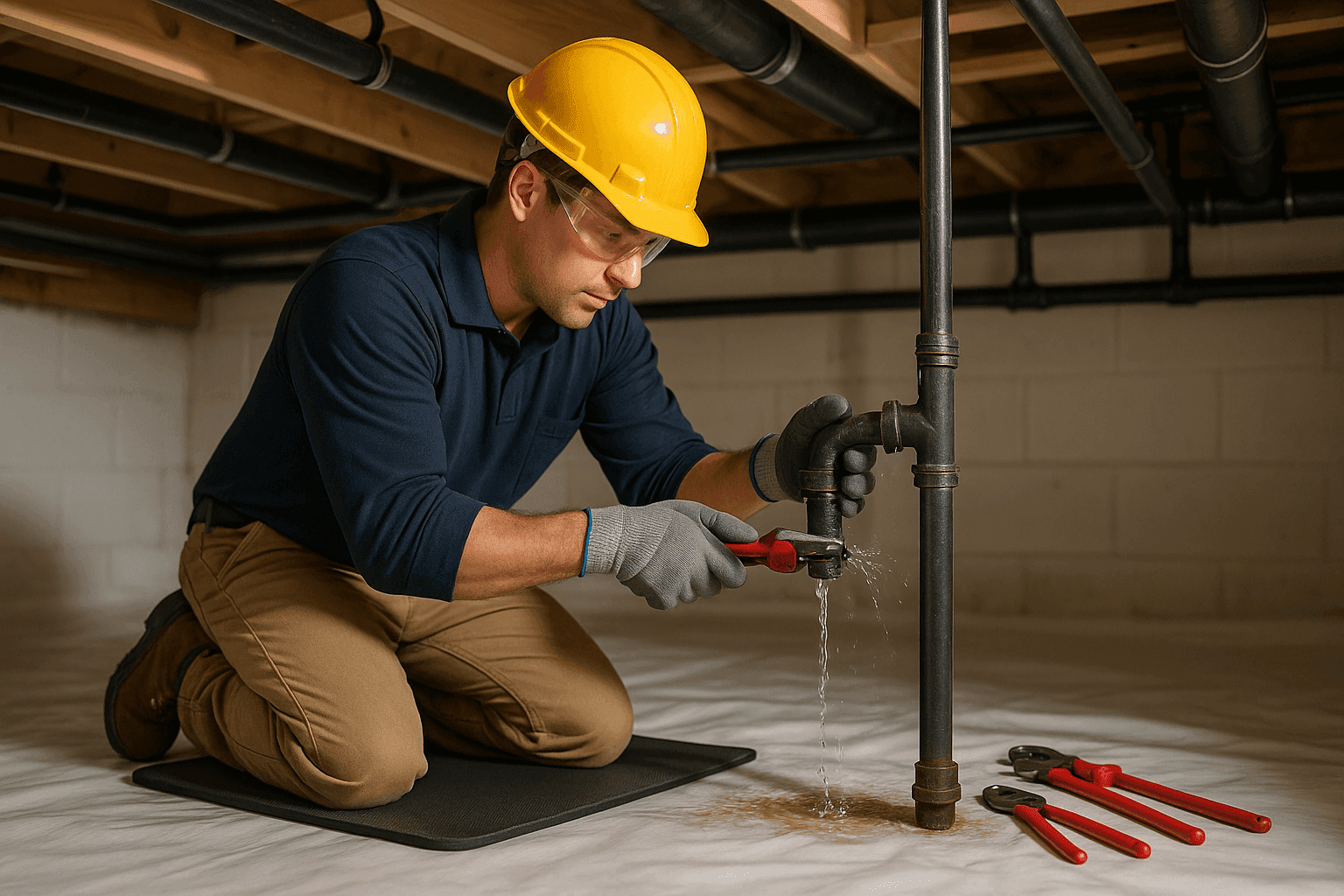
Is your water bill creeping up and you’re not sure why? Maybe you’ve noticed a wet patch in your yard, or there’s a mysterious drip behind a wall. Pipe problems don’t wait for a convenient moment—and when something bursts, you really feel the pressure.
At New Age Plumbing, we help homeowners face these stressful moments with facts, not confusion. Here’s what you need to know about the real costs of professional pipe repair, from the main line to the bathroom sink.
What Affects Pipe Repair Cost? 💧
Every home is different. And so is every plumbing job. The cost to fix a pipe in your house depends on:
- Pipe material: Copper, PVC, galvanized steel—each has its own price tag.
- Location: Is it a main water line in the yard, or a pipe buried under your bathroom slab?
- Severity: A slow drip costs less than a full-on burst.
- Accessibility: Pipes behind finished walls or under concrete take more time (and labor) to reach.
- Emergency plumbing needs: Late-night or weekend calls may impact your final bill.
- Local rates: What you pay can hinge on where you live and regional labor costs.
Think of it like fixing a car: the make, the model, and the parts all play a part. The more complex the fix, the higher the price.
Average Costs by Pipe Type
Here’s a look at what most homeowners can expect for different pipe repairs. These are real-world ranges based on market averages and jobs our team has handled.
Copper Pipes
- Small leak repair: $150–$350
- Section replacement (exposed): $350–$1,000
- Full repiping (whole house): $4,000–$15,000+
Copper is durable, but repairs require skill and special tools. Soldering and cutting mean more labor, especially in tight spaces.
PVC Pipes
- Leak repair or fitting replacement: $120–$300
- Under-slab PVC repair: $600–$2,500
PVC is more affordable than copper. But if it’s under concrete or landscaping, expect costs to rise.
Galvanized Steel & Cast Iron
- Leak or corrosion repair: $200–$600
- Section replacement: $500–$2,000
Older homes often have these pipes—which can mean extra effort to remove and replace sections due to rust or buildup.
Main Water Line & Sewer Line Repairs
- Main line leak (yard): $500–$2,500
- Sewer line repair/replacement: $1,000–$7,000
These jobs sometimes need excavation or camera inspection. That’s why the price can vary so widely.
Emergency vs. Scheduled Repairs 🚨
Pipe bursts at 2 a.m. never happen on your day off. Emergency plumbing repairs often carry extra charges. Here’s why:
- After-hours labor: Night, weekend, or holiday repairs usually cost more.
- Immediate response: Getting a crew to your home quickly is a premium service.
- Temporary fixes: Sometimes, an emergency repair gets you “back to normal” until full restoration can happen during business hours.
Scheduled repairs—like fixing a slow leak or replacing aging pipes—are less expensive because there’s time to plan, order parts, and minimize disruption.
Real Scenario
A homeowner in a 1970s ranch calls at midnight: water is gushing from the ceiling. The pipe burst was behind drywall, requiring an emergency shutoff, temporary patch, and full repair the next morning. The emergency visit cost $450 (including the urgent response), and the full repair with drywall patching totaled $900 the next day.
DIY vs. Professional Costs
You might wonder: can I fix this myself? For a leaky shutoff or a loose faucet, maybe. For most pipe repairs, though, the risks outweigh the savings.
- DIY materials: $10–$60 for basic repairs (patches, joint compound, clamps)
- Professional repair: $150–$400 average for small leaks
But here’s the kicker: a DIY fix gone wrong can lead to water damage, mold, or even code violations. Licensed plumbers are trained to spot bigger issues—like hidden corrosion or pressure problems—before they turn into bigger bills.
When It’s Worth Calling In
- Pipes behind walls or under floors
- Gas line issues (serious safety hazard—don’t DIY)
- Frequent leaks or old, corroded pipes
Remember, the cheapest fix today isn’t always the best value long-term.
Insurance & Financing Options 💵
Some pipe repairs are covered by homeowners insurance—especially sudden, accidental damage (like a burst pipe). But there are exceptions.
What’s Usually Covered
- Burst pipes from freezing temperatures
- Sudden accidental leaks that damage your home
What’s Not Covered
- Long-term leaks due to neglect
- Wear and tear or gradual deterioration
Check your policy details or call your agent. Major upgrades or repiping projects usually aren’t covered, but financing options are often available. At New Age Plumbing, we can provide written estimates for insurance claims and work with your provider to document the repair.
What’s Included in a Professional Estimate?
A written estimate from New Age Plumbing typically includes:
- Labor and materials: Clear breakdown by task and part.
- Access and cleanup: Removal of drywall, paving, or landscaping if needed.
- Inspection and testing: Pressure tests, code compliance checks.
- Disposal: Safe removal of old or damaged pipe.
- Permits: If required by your city or county.
No hidden charges. No guesswork. Just a clear picture before the work begins.
Local Price Differences & Seasonal Factors
Plumbing costs can vary by location and time of year.
- Urban vs. rural: City jobs may be more due to higher labor rates or travel fees.
- Seasonal demand: Frozen pipes in winter, heavy rains in spring—some months keep plumbers busier (and you may pay a premium for urgent repairs).
- Building codes: Local codes and inspection fees can affect total costs. Always ask if permits are needed—plumbers are required to follow state and local codes, like those from the International Plumbing Code (IPC) or Uniform Plumbing Code (UPC).
Real Homeowner Scenarios
Case 1:
A family in a two-story home notices water stains on the ceiling. The culprit? A leaking copper pipe in the upstairs bathroom. The plumber accesses the pipe through a closet, repairs the leak, and tests the system. Final bill: $320.
Case 2:
A new homeowner calls about low water pressure. Inspection finds corroded galvanized pipes throughout the house. Partial repipe (bathrooms and kitchen): $6,400. The job takes four days, with water shut off only during work hours.
Case 3:
A rental property owner discovers a backed-up sewer line. Camera inspection reveals a tree root intrusion. Cost to clear the line and repair a section of PVC: $1,800.
What’s Covered by Code & Safety Guidelines
Licensed plumbers follow safety codes for every repair. This means:
- Proper pipe materials: Lead pipes are no longer allowed in potable water systems.
- Pressure tests: Ensuring pipes hold up under normal and peak loads.
- Backflow prevention: Especially important in kitchens, bathrooms, and irrigation systems.
- Gas safety checks: For any work involving gas lines (see National Fuel Gas Code for guidelines).
You can always ask your plumber what codes apply to your repair.
FAQ: Pipe Repair Costs & What to Expect
How do I know if my repair is urgent?
If water is running where it shouldn’t, or you notice a sudden drop in water pressure, call for emergency plumbing help.
Can I wait to fix a small leak?
Delaying repairs can lead to mold, water damage, and higher costs down the road. It’s best to address leaks quickly.
What if my pipes are very old?
Older homes may need partial or full repiping. This is a bigger investment, but it improves water quality and reduces the risk of future leaks.
Are there ways to save on repairs?
Preventative maintenance, quick response to leaks, and regular inspections (like drain cleaning near you) keep costs down and catch issues early.
Final Tips for Homeowners
- Stay alert: Watch for signs of leaks—discoloration, damp smells, peeling paint.
- Know your shutoff valve: Every minute counts in an emergency.
- Schedule annual plumbing checks: Early detection saves money.
- Ask for itemized estimates: It’s your right as a homeowner.
- Check credentials: Always choose a licensed and insured plumber for safety and code compliance.
When to Call New Age Plumbing
Pipe problems don’t fix themselves. If you’re facing an urgent leak, a mysterious wet spot, or just want a no-nonsense estimate for repairs, reach out day or night.
Call New Age Plumbing now — or reach us anytime at 888-541-2947 .