How to Unclog a Toilet: Step-by-Step for Any Blockage
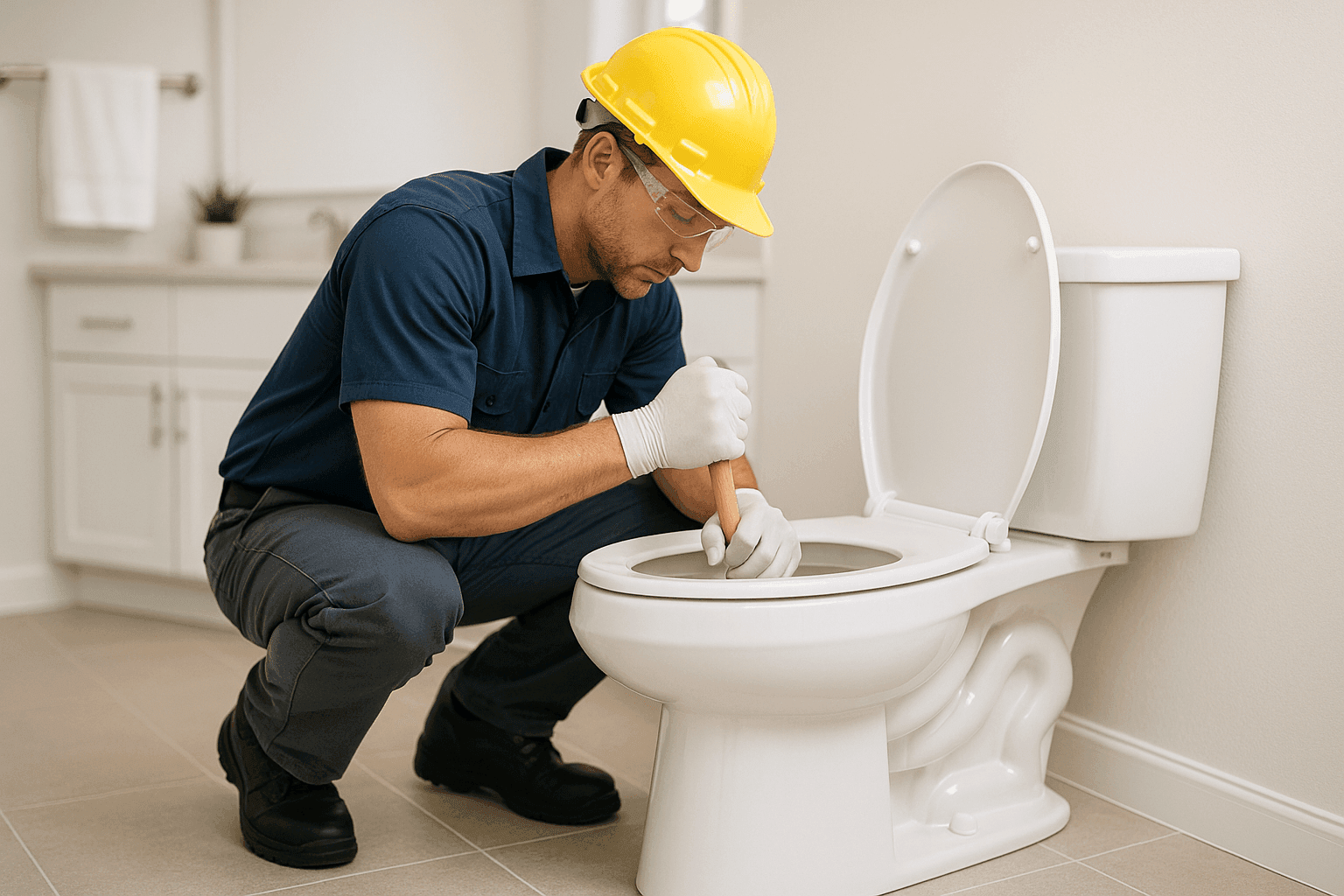
Have you ever stared down a clogged toilet, heart sinking as the water slowly rises? You’re not alone. Few things bring a house to a standstill faster. When the bathroom’s out of commission, urgency takes over. That’s why New Age Plumbing is always ready for emergency plumbing needs, day or night.
But before you reach for the phone, there are safe, effective steps you can try on your own. Understanding what causes clogs—and knowing when it’s time to call a pro—can save your pipes, your nerves, and your wallet.
Common Causes of Toilet Clogs 🚽
Toilets are tough, but they’re not invincible. Most clogs trace back to one simple truth: toilets were made for human waste and toilet paper. Not much else.
Typical culprits include:
- Too much toilet paper (especially thick or “flushable” wipes)
- Non-flushable items: feminine products, paper towels, cotton swabs, dental floss
- Toys, action figures, or surprise objects (thanks, kids!)
- Hard water buildup or mineral deposits in older pipes
- Low-flow toilets struggling with “heavy” flushes
Older homes and those with low-flow toilets often see more blockages, as narrow pipes or limited water pressure can make things worse. If you’re in a house that creaks when the wind blows, your plumbing might be just as sensitive.
Tools You’ll Need
Unclogging a toilet doesn’t require a full toolbox—just a few essentials:
- Sturdy toilet plunger (with a flange, not just a flat cup)
- Toilet auger (closet auger)—for stubborn blockages
- Rubber gloves (trust us)
- Old towels or newspapers (for spills)
- Bucket (optional, for bailing)
- Disinfectant for cleanup
Pro tip: Never use a wire coat hanger. It can scratch porcelain and damage pipes.
Step-by-Step Unclogging Methods
Let’s get down to business—safely and cleanly.
1. Don’t Panic—Pause and Assess
- Check the water level. If it’s high, do not flush again. Wait 10 minutes for water to drop.
- Place towels around the base in case of spills.
2. Plunging: The Gold Standard
- Use a flange plunger. It seals better and delivers more force.
- Submerge the plunger in water—add water to the bowl if needed.
- Press down slowly, then pull up sharply. Repeat 10–20 times.
- If water drains, flush once to test. Still clogged? Time for the auger.
3. Toilet Auger: For Tougher Clogs
- Insert the auger’s tip into the drain, crank gently to break up or hook the blockage.
- Don’t force it. Too much pressure can damage the bowl.
- Withdraw the auger and flush.
4. Hot Water & Dish Soap (Bonus Tip)
- Pour half a cup of dish soap into the bowl. Let sit 10 minutes.
- Follow with a bucket of hot (not boiling) water. The heat and soap can help dissolve greasy clogs.
5. What Not to Try
- Avoid chemical drain cleaners. They can damage plumbing, release harmful fumes, and are not approved by the International Association of Plumbing and Mechanical Officials (IAPMO).
- Never flush repeatedly if water isn’t draining. It can overflow and cause water damage.
Preventing Future Clogs
An ounce of prevention is worth a pound of plunging.
Keep these habits in mind:
- Only flush waste and toilet paper—nothing else.
- Use less toilet paper when possible.
- For homes with young children, install a toilet lock or teach what’s “flushed.”
- Regularly check water pressure; low pressure can worsen clogs.
- Schedule annual drain cleaning near you for peace of mind.
If you have older pipes or live in an area with hard water, consider water softeners or routine maintenance to prevent mineral build-up.
Kids & Holiday Mishaps 🎉
Family gatherings and holidays mean more bathroom traffic—and more risk of clogs.
- Remind guests (especially little ones) what’s safe to flush.
- Keep a wastebasket in every bathroom for wipes, wrappers, and other trash.
- If you have many guests, stagger showers and flushes to avoid overwhelming the system.
Kids are curious. If you suspect a toy took a dive, don’t flush! Try the auger or call for emergency plumbing help.
Safety First: Quick Checklist
- Wear gloves and wash hands thoroughly after unclogging.
- Mop up spills immediately to avoid slip hazards and bacteria.
- Disinfect all surfaces, especially if water overflowed.
- Never mix cleaners (like bleach and ammonia).
- If you smell gas, do not attempt repairs—evacuate and call a licensed professional.
When to Stop and Call a Pro
Sometimes, the blockage is deeper than your reach—or signals a bigger issue.
Call New Age Plumbing for emergency plumbing if:
- The toilet overflows repeatedly, even after plunging.
- Drains throughout your home are slow or backing up (could signal a main line clog).
- You hear gurgling from sinks or tubs when you flush.
- You suspect a foreign object is stuck.
- You have old, fragile pipes—or a history of sewer line problems.
Trained plumbers use specialized tools and, if needed, sewer cameras to locate and safely clear tough blockages.
What Pros Do On Arrival
When you call for emergency plumbing, here’s what to expect:
- Assessment of the problem—inside the toilet and beyond.
- Use of commercial-grade augers or hydro-jetting (if safe for your pipes).
- Inspection for underlying issues like tree roots, broken pipes, or improper venting.
- Recommendations for repairs or preventative measures.
Our team always follows local plumbing codes and safety guidelines (see Uniform Plumbing Code for reference).
Preventative Maintenance: Keep Toilets Flowing
Regular care goes a long way. Here’s how to keep clogs at bay:
- Schedule annual inspections, especially in older homes.
- Add drain cleaning near you to your spring/fall checklist.
- Replace old, inefficient toilets with modern, high-efficiency models.
- Install a water filtration system to reduce mineral buildup.
- Teach all family members (and guests) proper bathroom habits.
Costs & Time Factors
Fixing a clogged toilet can be quick—or a bit more involved.
DIY unclogging:
- Plunging or augering: usually 10–30 minutes.
- Cleanup and disinfecting: another 10–15 minutes.
Professional help:
- Most emergency plumbing visits take 30–60 minutes, but complex clogs (like deep main line issues) can take longer.
- Costs vary based on time, severity, and if after-hours or holiday service is needed.
Remember, repeated clogs may signal a bigger issue—such as tree roots or a damaged sewer line—which will require professional diagnosis and repair.
When It’s an Emergency
Not every clog is urgent—but some situations need immediate action:
- Water is flooding out of the toilet or onto floors.
- All toilets or drains in the house are backing up.
- There’s a foul odor or raw sewage in the home.
- You have only one bathroom and it’s unusable.
- You have elderly, young children, or guests who need reliable facilities.
Don’t wait—overflow can cause water damage, mold, and unsafe conditions.
FAQ: Unclogging Toilets
Q: What’s the safest thing to try first?
A: The flange plunger. It offers the best seal and power. Use gently to avoid splashes.
Q: Are “flushable” wipes really safe?
A: Despite the name, most wipes don’t break down quickly and can clog pipes—especially older ones. The National Association of Clean Water Agencies (NACWA) recommends tossing, not flushing.
Q: Can I use boiling water for clogs?
A: No—boiling water can crack porcelain, especially on older or cold toilets. Stick with hot tap water.
Q: My toilet clogs often. Is it the pipes?
A: Frequent clogs may signal narrow pipes, mineral buildup, or main line issues. Schedule a professional inspection.
Local/Seasonal Considerations 🌦️
High-use periods—holidays, parties, or family visits—can stress even healthy plumbing.
- Remind guests about flushing rules.
- Keep a plunger within reach of the bathroom.
- If you’re hosting a big event, ask about a drain cleaning near you before the rush.
In winter, cold pipes can make blockages worse. In spring, tree roots hunt for water and can invade older sewer lines. Preventative checks save headaches.
If unclogging your toilet feels overwhelming, or if you’re facing a true emergency, New Age Plumbing is here to help.
Call New Age Plumbing now — or reach us anytime at 888-541-2947 .